Harriet Greene Ross: A Mother at the Center of an American Story
No addendum to Harriet Tubman’s life comes to me when I think about Rit. A lady holds together what slavery attempted to break apart in the middle of a storm. Her narrative goes beyond suffering. It’s about perseverance, remembrance, and parenting under brutal conditions that shatter body and mind.
It is believed that Harriet Greene Ross was born enslaved in Dorchester County, Maryland, about 1787 or 1795. Even her birth confusion is truthful. Recording slaves as property was more thorough than as humans. She was born into a system that stole her time, job, family, and self.
Rit came from a displaced household. Family legend regarded her mother, Modesty, as a slave ship import from Africa. That memory counts. Rit was one generation from the Middle Passage and the traumatic dislocation that fed American slavery. Her existence had new grief and inherited memories.
Much of her life was spent cooking. Such labor may seem simple, but slavery made it difficult. A cook fed her owner’s family. A domestic servant passed past rooms where power was used frequently and viciously. Rit’s labor supported the institution that imprisoned her, yet she formed a family identity that outlasted separation.
Marriage to Benjamin “Ben” Ross
Rit married accomplished woodsman and timber inspector Benjamin “Ben” Ross in 1808. Rit was Brodess-bound, while Anthony Thompson enslaved him. They married in one of slavery’s worst paradoxes. Though married, the law did not safeguard their partnership. They were owned separately, so they could be separated at any time.
Still, they had a family. Ben was experienced and recognized in the timber trade. Rit’s hard work and caring rooted the home emotionally. Their relationship mattered because solid love was modest resistance in a world that thrived from instability.
The Ross marriage was not sheltered from the machinery of sale, inheritance, and debt. Ownership changes could shift the whole map of family life overnight. Yet Rit and Ben remained the roots from which nine children grew. Those roots were battered, but they held.
The Nine Children and a Family Broken by Slavery
Rit and Ben had nine children. Their names form a family roll call, but also a ledger of loss and survival. Slavery split their children’s lives into different directions, like branches torn from a tree in a hard wind.
| Child | Approximate Details | Family Story |
|---|---|---|
| Linah Ross | Born about 1808 | Sold South as a young woman |
| Mariah Ritty Ross | Born about 1811 | Sold South and permanently separated |
| Soph Ross | Born about 1813 | Sold South and lost to history |
| Robert Ross | Later known as John Stewart | Later rescued and lived in Auburn |
| Araminta “Minty” Ross | Later Harriet Tubman, born about 1822 | Escaped in 1849 and rescued family members |
| Benjamin Ross | Later James Stewart | Rescued and lived in Auburn |
| Rachel Ross | Enslaved longer | Tubman tried but failed to rescue her |
| Henry Ross | Later William Henry Stewart | Rescued and lived in Auburn |
| Moses Ross | Youngest | Rescued by Tubman |
Linah, Mariah Ritty, and Soph, the oldest girls, went south. The phrase “sold South,” is abysmal. Forced relocation, family breakup, and harsher labor regimes were common. These were not abstract tragedies for Rit. They were her daughters. She gave birth and raised kids, then watched the market devour them.
I think this is one of the most important truths about her life. Rit did not merely endure slavery herself. She endured the repeated theft of her children.
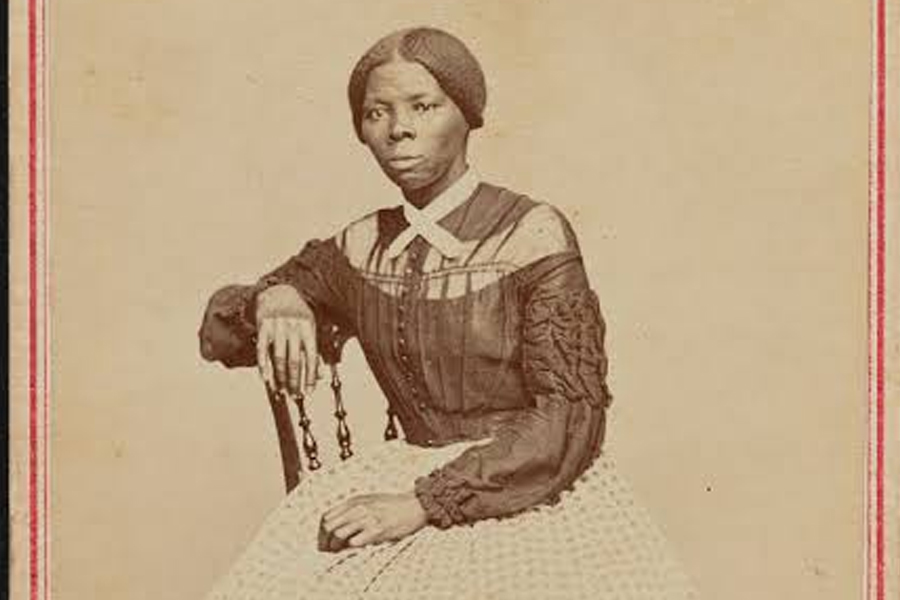
Harriet Tubman’s Mother and First Teacher
Harriet Tubman, born Araminta Ross around 1822, was the fifth child. The bond between Rit and Minty seems to have been especially deep. If Tubman later became one of the bravest conductors on the Underground Railroad, it is hard not to see her mother’s imprint in that courage.
Rit gave Tubman immortality. She taught her stories, spirituality, and fierce love. Oral memory was a secret inheritance in homes without formal independence. Children learned who they were beyond their names and principles from mothers like Rit.
Tubman became a hero, but not suddenly. It came from a dangerous yet resilient family. Rit’s efforts to keep her children together despite sales and hirings established Tubman’s moral universe. If Tubman was the flame, Rit was the wick.
Rit’s Fight to Keep Her Family Together
Rit’s resistance to family dissolution is remarkable. She was recognized as a mother who consistently maintained family ties. That could include physical care for younger ones, mental stability during separations, and memory when reunion seemed unattainable.
Unfulfilled manumission pledges caused issues. Promises were often violated in slaveholding societies. A slave family might be offered hope and then denied when convenient. Any treachery would have hurt Rit. Freedom was more than legal. It meant kid protection, family unity, and the ability to wake without fear of sale.
Her life reminds me that resistance was not always dramatic in public view. Sometimes it looked like keeping names alive. Sometimes it meant refusing to let your children vanish in your own memory. Sometimes it meant surviving long enough to be found.
Freedom and Reunion in Auburn, New York
Harriet Tubman escaped slavery in 1849. That date changed not only her life but eventually Rit’s as well. Tubman returned to the South again and again, risking capture to guide relatives and others to freedom. Among the most meaningful of these efforts was the rescue of her parents.
Ben apparently liberated Rit in the mid-1850s for $20, though family memories vary. What matters most is that freedom was uncertain until Tubman brought her parents north. Around 1857, Rit and Ben were transferred to Auburn, New York, where they met other runaway or rescued youngsters.
Moving from Maryland to Auburn meant more than geography. It was a transition from formal servitude to modest freedom. After decades of separation, Auburn became a family refuge. Rit lived there as a freed elder whose presence was precious, not a wealthy matriarch.
She lived to watch her daughter’s amazing public work. She saw Tubman’s rise to fame, her Civil War duty, and her New York household. Rit saw partial healing after so much devastation. Some children rejoined the family. Others, especially the daughters sold South, were shadowless.
Family Members in Freedom and the Next Generation
Several of Rit’s children were free under new surnames. Robert Ross became John Stewart. Ross became Stewart. Ross became Stewart. These name changes were one of the first free self-definition acts. A change in name could symbolize a turning point, but not erase the past.
Moses Ross was rescued and transported north. Rachel Ross was the family’s biggest wound. Tubman failed to save Rachel and her children before Rachel perished. That incomplete rescue shows that even Tubman could not breach every enslavement hurdle.
The Auburn family comprised adoptive children and following generations. A common name is Gertie Davis. She was not Rit’s biological granddaughter. She was Harriet Tubman’s adopted daughter, raised in Auburn after her marriage to Nelson Davis. Still, Gertie was part of the family’s emotional environment. In trauma-rebuilt homes, kinship went beyond blood.
Modesty and the Memory of Origins
Rit’s mother, Modesty, is important in this narrative. Although little information remain, family memory preserved her African heritage. Slavery aimed to remove ancestral identity and replace it with ownership, so that memory counts. Modesty reminded us that the family tale began beyond Maryland plantations. It started across an ocean in a hostile planet.
I find that detail illuminating. Rit stood between two histories. Behind her was Modesty and the memory of Africa. Before her was Tubman and the march toward freedom. She was the bridge between forced arrival and self-liberation.
A Brief Timeline of Harriet Greene Ross
| Year | Event |
|---|---|
| c. 1787 or c. 1795 | Harriet “Rit” Greene Ross is born enslaved in Dorchester County, Maryland |
| c. 1808 | Marries Benjamin “Ben” Ross |
| 1808 to 1832 | Gives birth to nine children |
| 1822 | Daughter Araminta “Minty” Ross, later Harriet Tubman, is born |
| 1830s and 1840s | Older daughters have already been sold South; family remains divided by slavery |
| 1849 | Harriet Tubman escapes slavery |
| c. 1857 | Rit and Ben are brought to freedom in Auburn, New York |
| 1860s to 1870s | Lives with family in Auburn during Tubman’s years of activism |
| c. 1879 or c. 1880 | Dies in Auburn at an advanced age |
FAQ
Who was Harriet Greene Ross?
Harriet Greene Ross, usually called Rit, was an enslaved woman from Dorchester County, Maryland, and the mother of Harriet Tubman. She is remembered for her strength, her determination to protect her children, and her later life in freedom in Auburn, New York.
How was Rit related to Harriet Tubman?
Rit was Harriet Tubman’s mother. Tubman was born Araminta “Minty” Ross around 1822 and was the fifth of Rit’s nine children.
Who was Rit’s husband?
Her husband was Benjamin “Ben” Ross, a skilled timber inspector and woodsman. He was enslaved by a different owner, which made their marriage especially vulnerable to separation.
How many children did Harriet Greene Ross have?
She had nine children with Ben Ross: Linah, Mariah Ritty, Soph, Robert, Harriet Tubman, Benjamin, Rachel, Henry, and Moses.
What happened to Rit’s older daughters?
Linah, Mariah Ritty, and Soph were sold South. They were permanently separated from the family, and little is known about their later lives.
Did Harriet Tubman rescue her mother?
Yes. Tubman helped bring Rit and her father, Ben Ross, to Auburn, New York, in the 1850s, where they lived in freedom with family members.
Did Rit have personal wealth or a formal career?
No. As an enslaved woman, she had no legal control over wages or property. She worked mainly in domestic labor, especially cooking, and later lived modestly with family in freedom.
Was Gertie Davis Rit’s grandchild?
No. Gertie Davis is generally understood to have been Harriet Tubman’s adopted daughter, not Rit’s biological grandchild. She was part of the extended Auburn household.
Why does Harriet Greene Ross matter in history?
She matters because her life reveals the human cost of slavery at the level of family. She also helps explain the world that formed Harriet Tubman. Rit’s endurance, memory, and maternal resolve were part of the ground from which Tubman’s courage grew.